Everything worth knowing before you buy.
Certification
A gem is only as good as its paper. We work exclusively with three of the world's most demanding laboratories:
- GRS — Gem Research SwisslabColour typing (pigeon-blood, royal blue, cornflower) and treatment disclosure.
- SSEF — Swiss Gemmological InstituteOrigin determination for sapphires, rubies and emeralds.
- GIA — Gemological Institute of AmericaGlobal benchmark for grading and identification.
Treatment
Most sapphires and rubies on the world market are heat-treated to improve clarity or saturation. This is standard, disclosed practice — not a defect. A tiny fraction of stones are naturally beautiful enough to skip heat entirely; these are the ones marked unheated, and they carry a significant premium.
We never sell diffused, glass-filled, or beryllium-treated stones. Every treatment is written on the certificate.
Origin
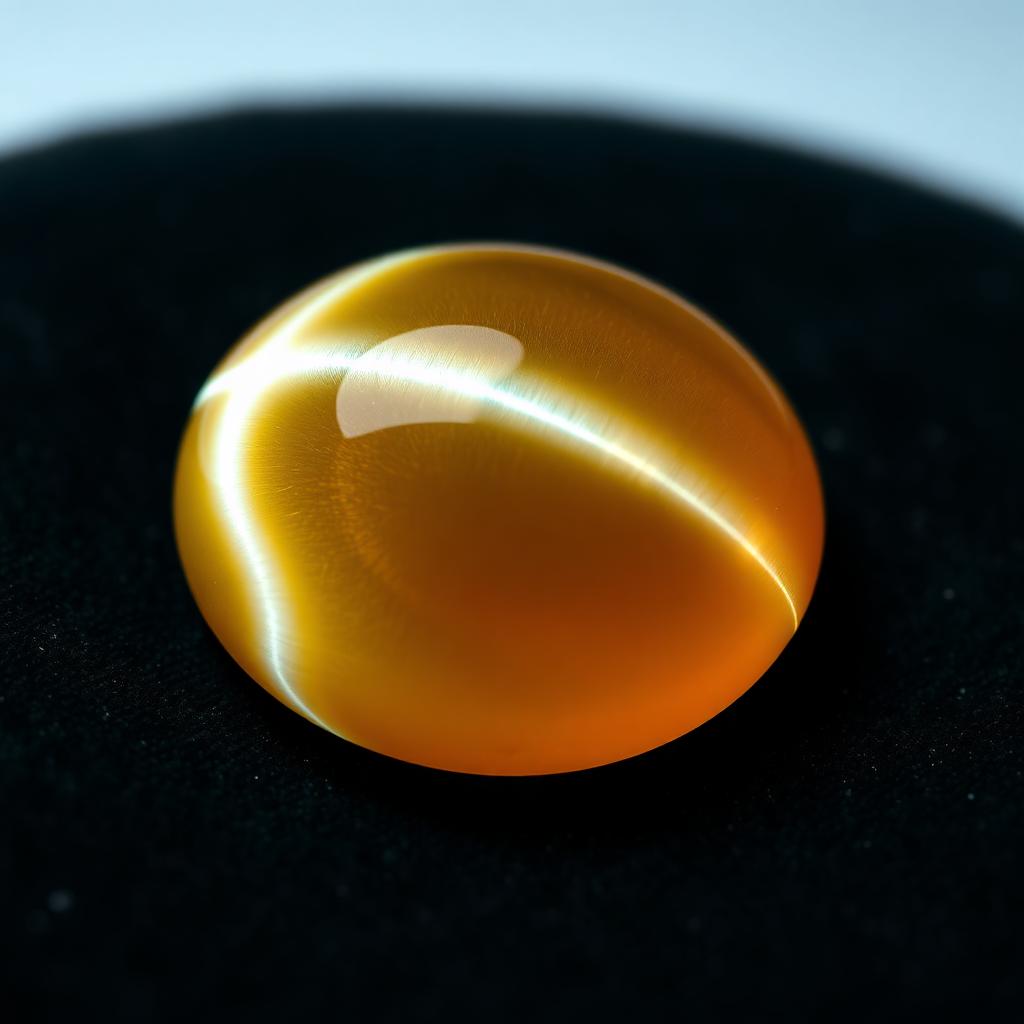
Sri Lanka has produced fine gems for at least 2,500 years. Marco Polo called it the island best endowed with precious stones. Ratnapura sits in the middle of the Highland Complex — the geology responsible for Ceylon's remarkable range of varieties.
The 4Cs, briefly
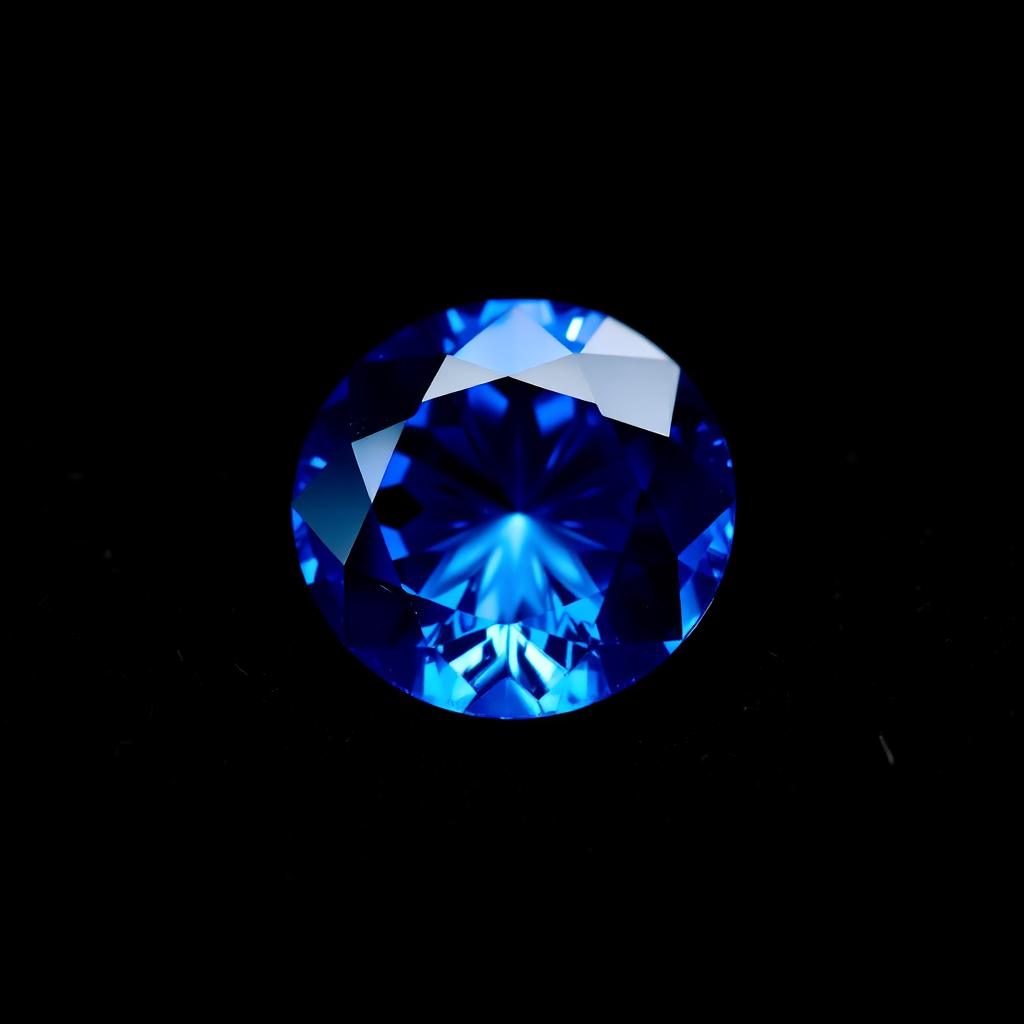
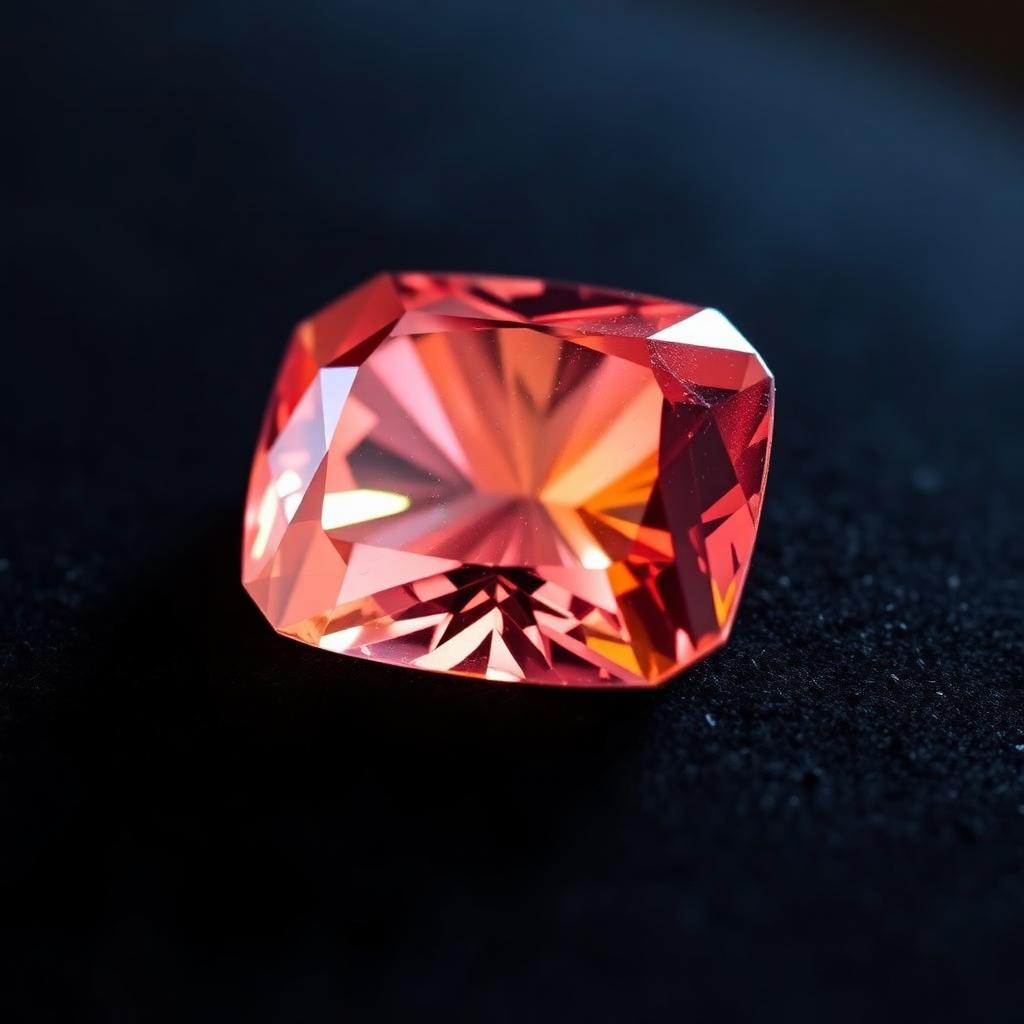
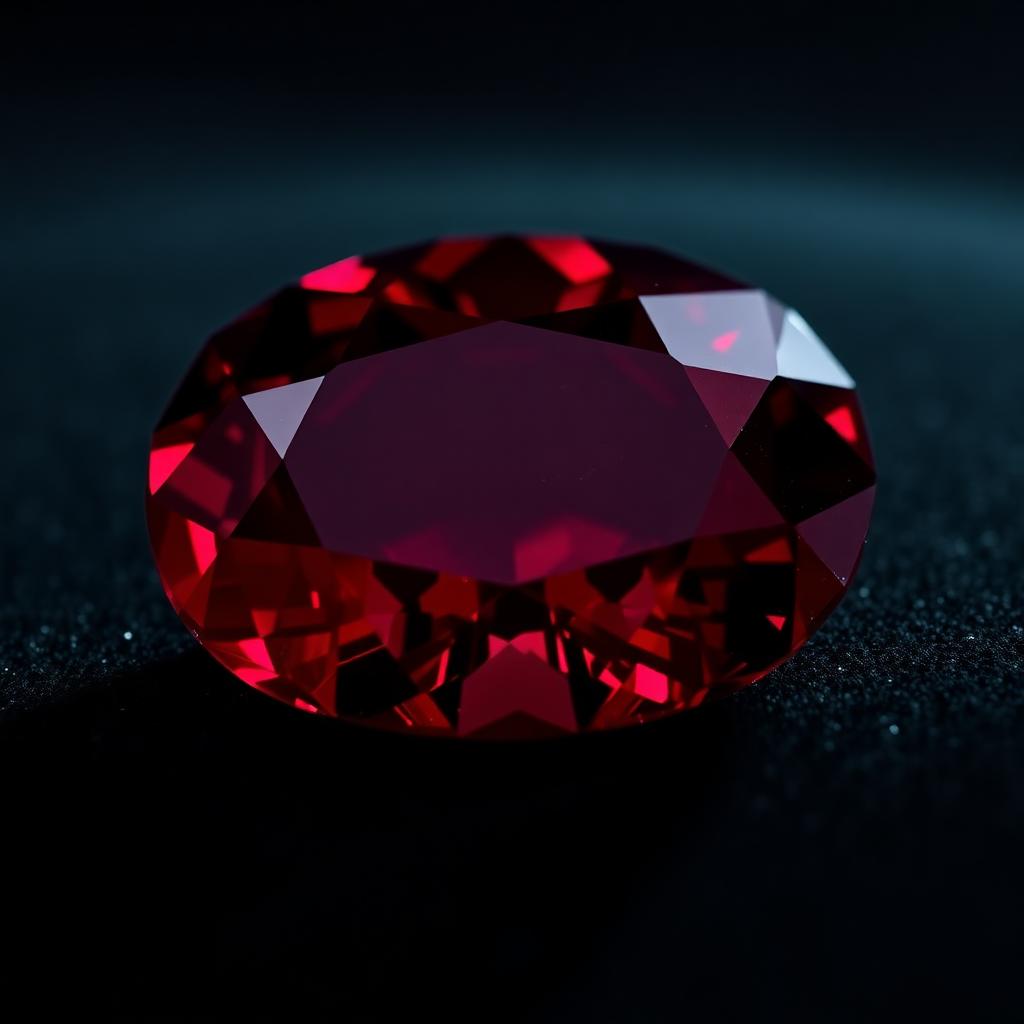
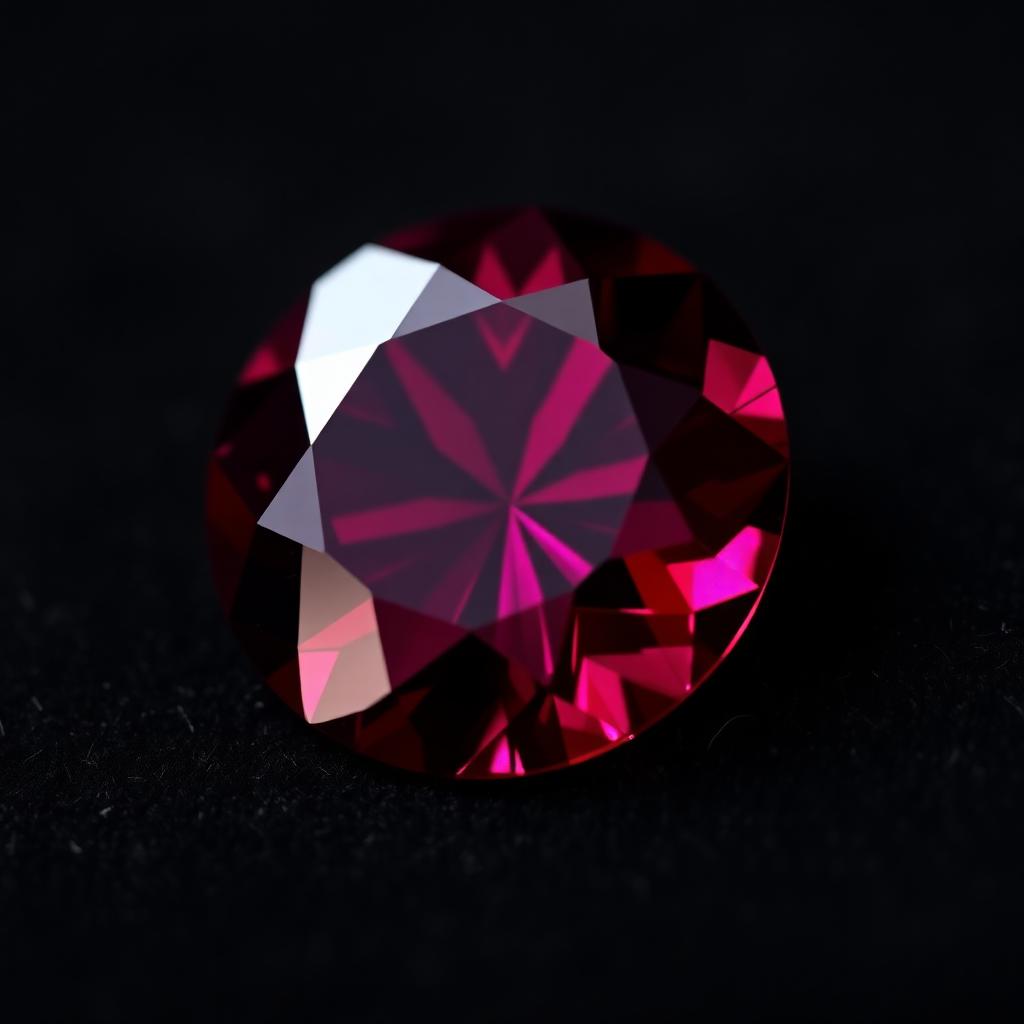
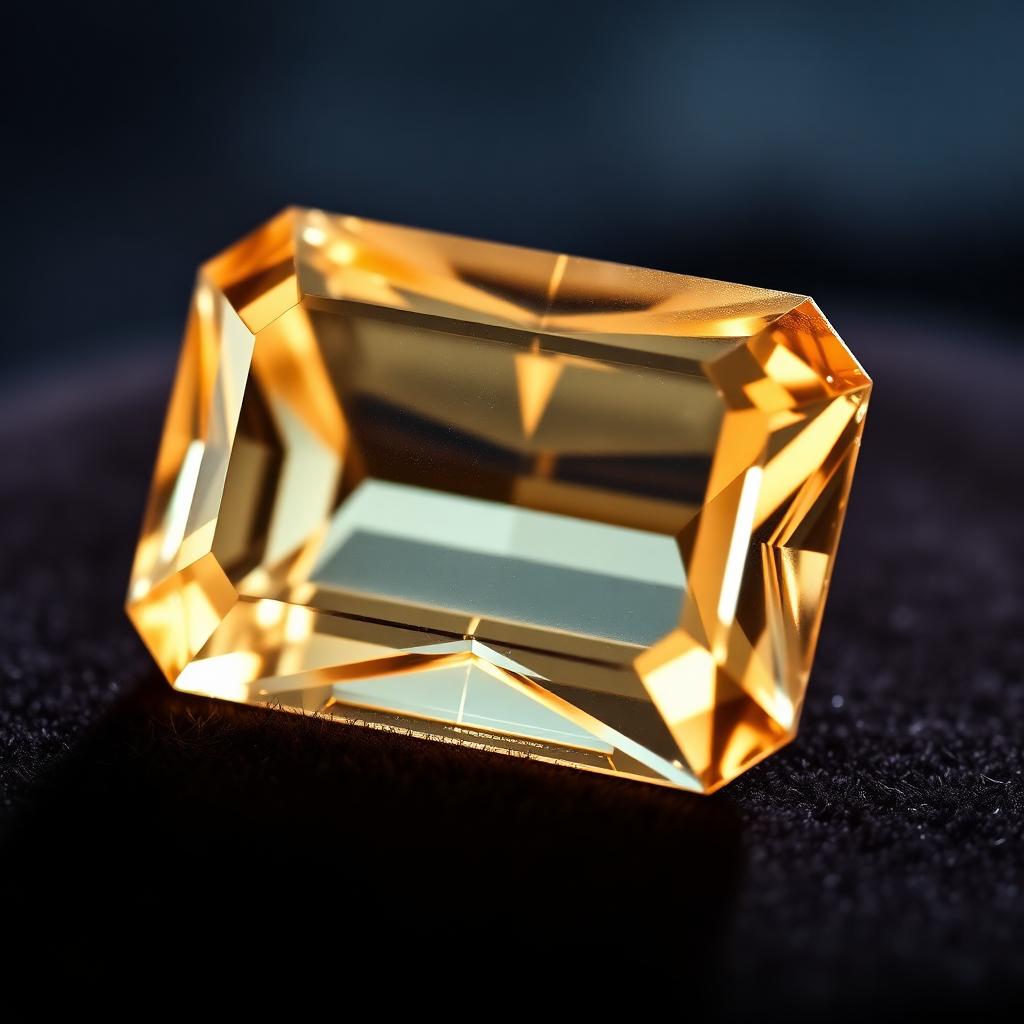
Colour is the first and most important C for coloured stones. Clarity tolerances are far looser than for diamonds — you're looking for stones "eye clean" at reading distance. Cut matters for brilliance; a good cutter loses weight to gain life. Carat is weight, not size — two 1-carat stones can look wildly different depending on cut.